|
|
 |
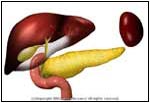
Normal |
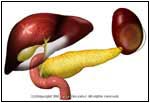
Abnormal |
| |
- The spleen is an organ located in the left upper abdomen under the ribs, involved in immune functions. It is important in fighting infections caused by bacteria that are encapsulated (have a capsule around them). Examples of these bacteria include Streptococcus Pneumonia and Hemophilus Influenza (they cause ear infections, Pneumonias, and Meningitis).
- The spleen, if injured, may cause massive bleeding. A Laceration of the spleen due to an injury may require its removal.
- The spleen may become enlarged in diseases such as Mononucleosis, liver Cirrhosis, Lymphoma, Leukemia,
Polycythemia Vera. An enlarged spleen may not function properly, and may be an increased risk of injury because it will drop below the ribs.
- In the disease Sickle Cell Anemia, the spleen "infarcts" i.e., becomes damaged to due insufficient oxygenated blood, causing the spleen to shrink in size and become nonfunctional.
|
 |
- Treat the underlying cause
- Patients who have permanent spleen damage or who have had their spleens removed should have a Pneumococcal vaccine (protects against strains of Streptococcus Pneumonia) every five to seven years. In addition, a vaccine against Hemophilus B bacteria should be considered.
|
| | |
If you want your friend to read or know about this article, Click here
 |
|
|