|
|
 |
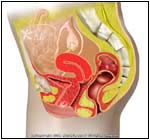
Normal |
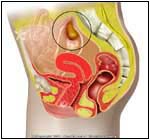
Abnormal |
|
Tubo-ovarian abscess refers to an infection in either the ovaries (source of eggs) or the fallopian tubes (which deliver eggs to the uterus) that results in a collection of pus, causing symptoms of pelvic inflammatory disease or abdominal pain. The infection is usually accompanied by fever, and the patient will appear ill. Treatment is generally with antibiotics. In some, surgery may be required to remove the pus.
|
 |
The most common symptoms include vaginal discharge along with vaginal pain, itching, or burning.
The infection causing the abscess may come from various sources. The following are most common:
1. Candida infections cause itching and burning. There is usually a thick, white discharge that usually does not smell bad. This type of infection occurs more often in women with diabetes, women who are pregnant, and in women taking antibiotics.
2. Trichomonas causes vaginal itching. Usually, there is a green colored, frothy discharge that smells bad. This infection usually spreads through sexual contact.
3. Bacterial Vaginosis usually causes a grayish discharge that often smells bad. It may cause a fish-like odor.
|
 |
Tubo-ovarian abscesses are usually due to an infection that travels up the woman's genital tract.
|
 |
A physical examination (including a pelvic exam) is the first step in making the diagnosis. It may show inflammation/irritation of the vagina and the presence of discharge.
During the pelvic exam, a sample of the discharge is taken and either sent to the lab or examined under the microscope, by the doctor. This is usually enough to make the diagnosis.
|
 |
Treatment depends on the type of infection present.
For Candida infections (the common Yeast Infection) there are several options:
Miconazole (200 mg vaginal suppositories), Clotrimazole (two 100 mg vaginal tablets), or Butoconazole (2% cream) can be used for 3 days.
Clotrimazole (1% cream or 100 mg vaginal tablets) or Miconazole (2% cream) can be used for 7 days.
A one-time dose of Clotrimazole (500 mg) or a one time oral dose of Fluconazole (150 mg) may also be used.
If the infection keeps coming back, treat with Ketoconazole (100 mg a day) for 6 months.
Trichomonas vaginalis can be treated with Metronidazole, either with a one-time dose of 2 grams or with 500 mg twice a day for 7 days. Some report the 7-day course more effective. Sexual partners also need to be treated because it is spread by sexual contact.
Bacterial Vaginosis can be treated in several ways:
Metronidazole -- 500 mg by mouth twice a day for 7 days, or with a single 2-gram dose.
Clindamycin vaginal cream once a day for 7 days, or Clindamycin by mouth (300 mg twice a day for 7 days).
Metronidazole vaginal gel twice a day for 5 days.
|
| | |
If you want your friend to read or know about this article, Click here
 |
|
|